Gathering Strength · 1996-2005
Two Cities
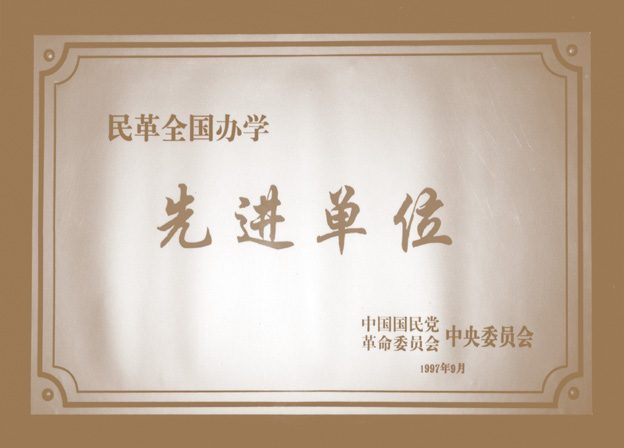
In the autumn of 1997, the Revolutionary Committee of the Chinese Kuomintang held a national private-education conference in Harbin, where OCEG's two schools were named “National Outstanding Private Schools of the RCCK.”
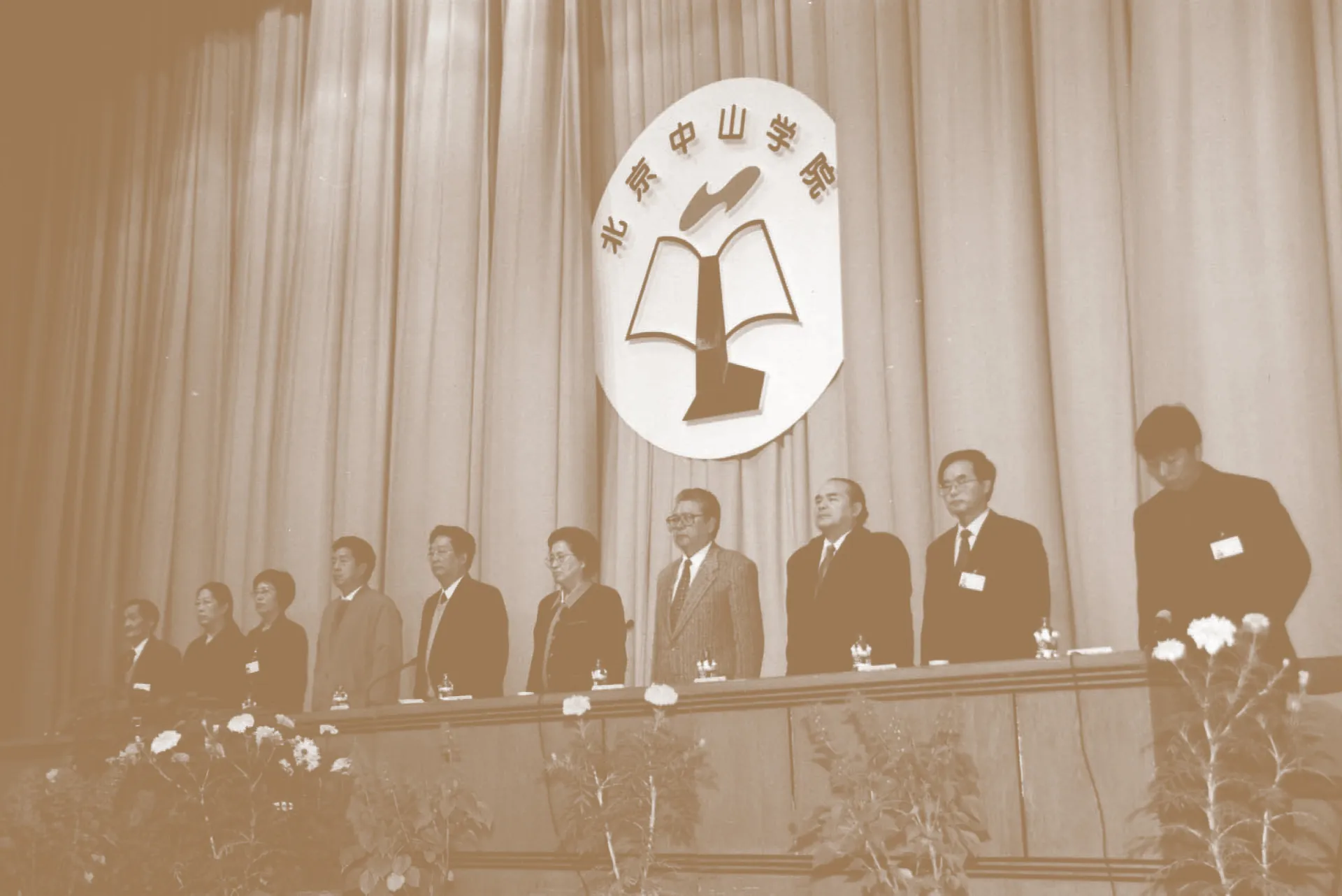
The following April, an appointment arrived from Beijing: Yu Songling was transferred to become president of Beijing Zhongshan College. Founded in 1985, the college was on the verge of closure by then. What he received were three things: a school operating license, an appointment letter, and an official seal.
If you can't be first-rate in Beijing and Shanghai, you can't be considered first-rate in China.
So in 1998, Yu Songling launched a “second start-up” in Beijing. Once again, he faced the daunting task of recruiting students and renovating school facilities within just over four months. He brought eight veteran team members from Harbin, rode borrowed bicycles through the sweltering 40-degree summer, rented premises, converted classrooms, and travelled nationwide to enrol students.
Come September, the college welcomed over 1,700 students from across the country—filling every bed and far surpassing the original target of 200. A year later, students took the nationally unified self-study examinations—which had an average pass rate of only 10%. At Zhongshan College, six students scored full marks in Advanced Mathematics alone, and pass rates for other subjects all exceeded 80%. The Beijing Municipal Education Commission sent fourteen experts who conducted a comprehensive evaluation across sixty-six indicators. Their conclusion: Beijing Zhongshan College is unquestionably a first rate institution in Beijing.

From that moment, the name “Oriental Cambridge” no longer belonged only to Heilongjiang.
Photographs