The First Light · 1986-1995
Breaking Ground
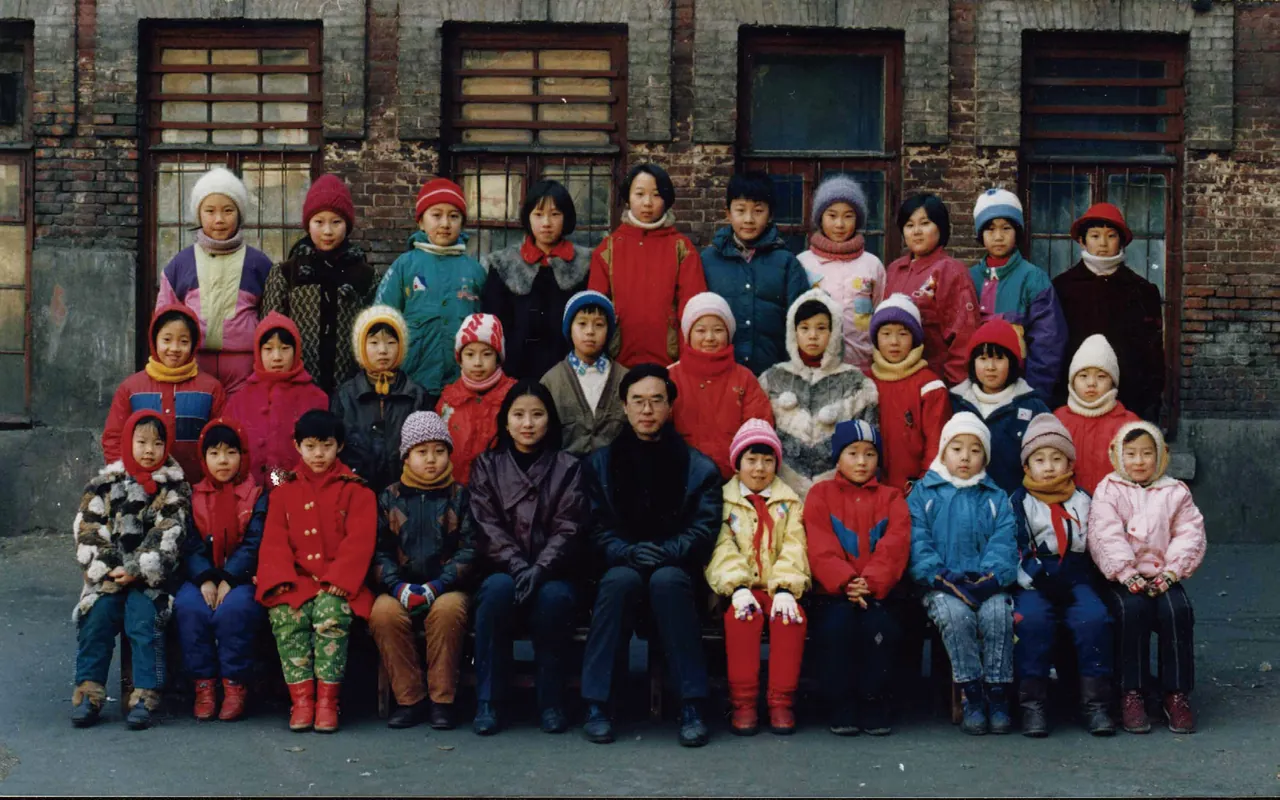
Twenty-two children, twenty-two families. The trust placed in OCEG began in this rented classroom
In 1986, a university lecturer was about to resign his post and welcome his first students into a rented classroom. And from that modest room, the name “Oriental Cambridge” began to take root in the landscape of China’s private education sector.
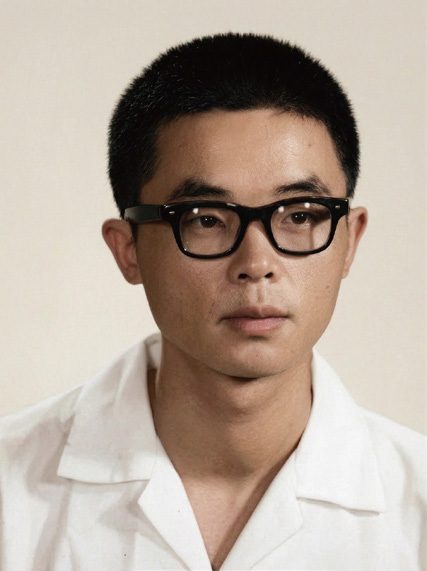
At the time, Yu Songling was teaching at Harbin University of Science and Technology. His physics lectures were so compelling that students who couldn’t find seats would line the aisles just to listen. He also served as deputy director of the university’s administrative office, a role he handled with such precision and care that he was highly regarded by colleagues and superiors alike. By any measure, it was an enviable position—even today. But in 1986, at thirty-five, Yu Songling chose to leave it all behind. Driven by a deep faith in education, he resigned his secure university post and resolved to start from scratch, pouring double the effort into a vision that had yet to prove itself. His wife, Wu Huijie, chose to stand by him, becoming the first companion on this uncertain journey.

After his resignation, Yu Songling paid 150 yuan to obtain a school license from the education bureau of Dongli District, in Harbin, and rented a primary school classroom for 50 yuan a month. He named the school “Cambridge Children’s English School”—“Cambridge” after the famed university abroad, and also a symbol of his own aspiration: that one day, on Chinese soil, he might build a first-rate private university to match its namesake. To attract students, he hand-wrote flyers that read: “University lecturer teaches children’s English—zero basics welcome, high-level completion guaranteed,” and cycled through streets, markets, and neighborhoods, pasting them up wherever he could. He also set up a small table near a primary school, answering questions from morning till night.

On 22 July, the school opened. That morning, he stood at the door early, greeting each child as they arrived. Chalk dust floated in the sunlight; twenty-two pairs of eyes looked up at him. A rented classroom had just gained a future. These twenty-two children became Oriental Cambridge’s very first students—and the trust of twenty-two families. Their presence proved a simple truth: if the teaching is solid, parents will believe in you. That truth would be tested and confirmed again and again over the next four decades.